The handoff from design to development is where most projects lose quality and gain scope creep. Here's the workflow that keeps both teams aligned at Scult.in.
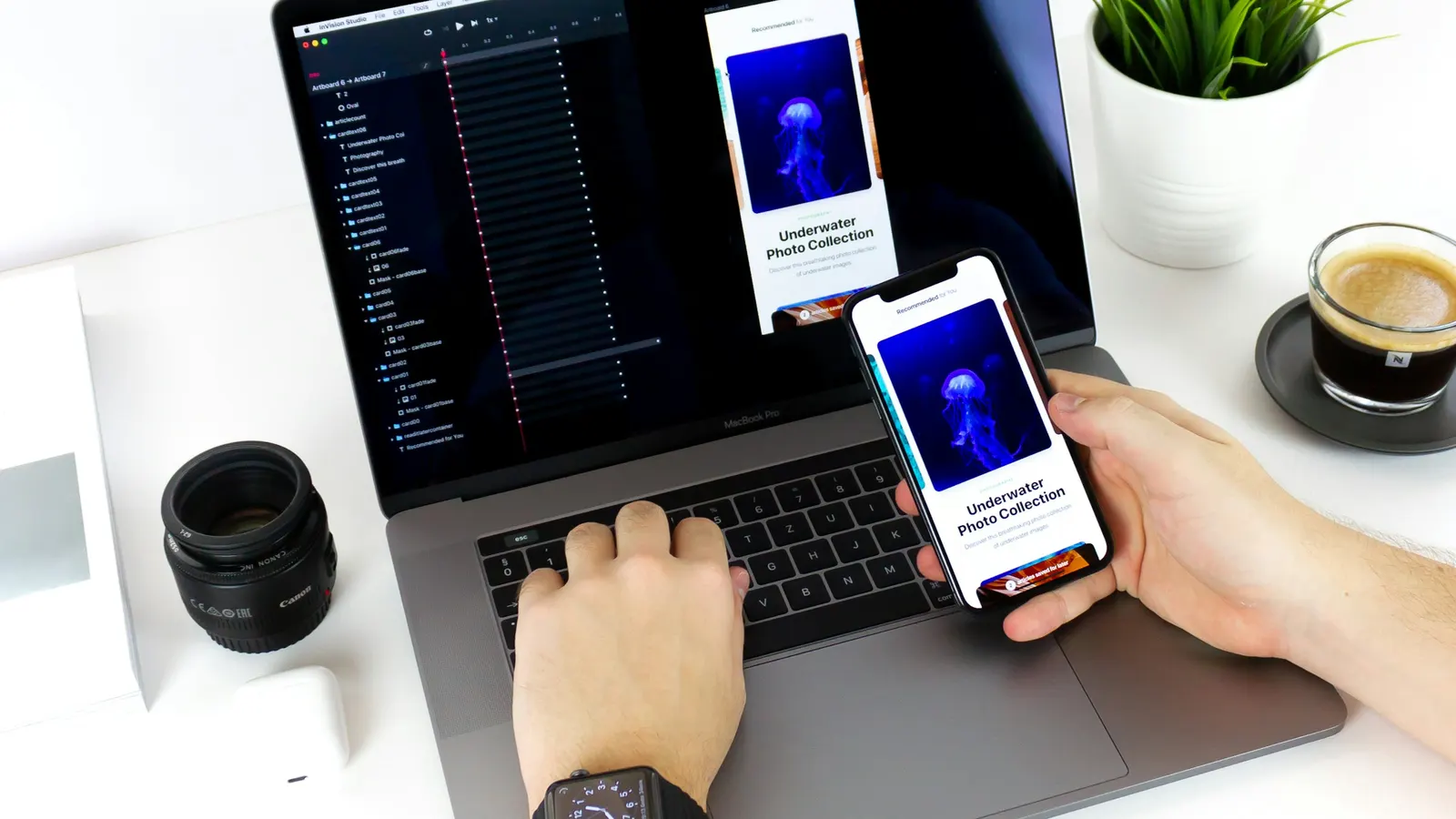
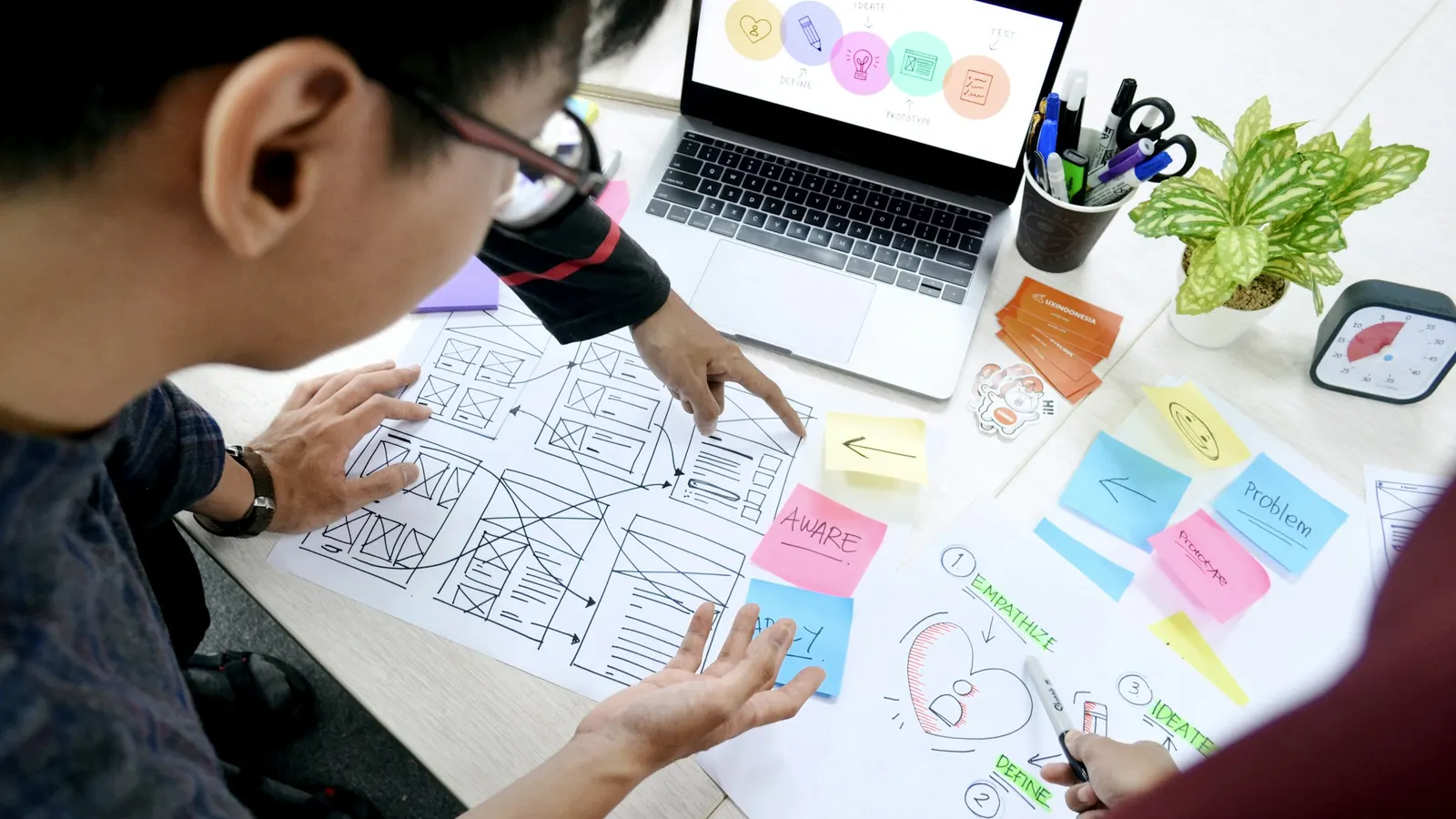
The design-development handoff is one of the most friction-prone moments in any project. Designs that "look right in Figma" often require hours of back-and-forth when developers discover edge cases, responsive behaviours, and interaction states that weren't specified. At Scult.in's UI UX design agency Noida, we've developed a workflow that eliminates this friction by design.
Design Tokens in Figma and Code
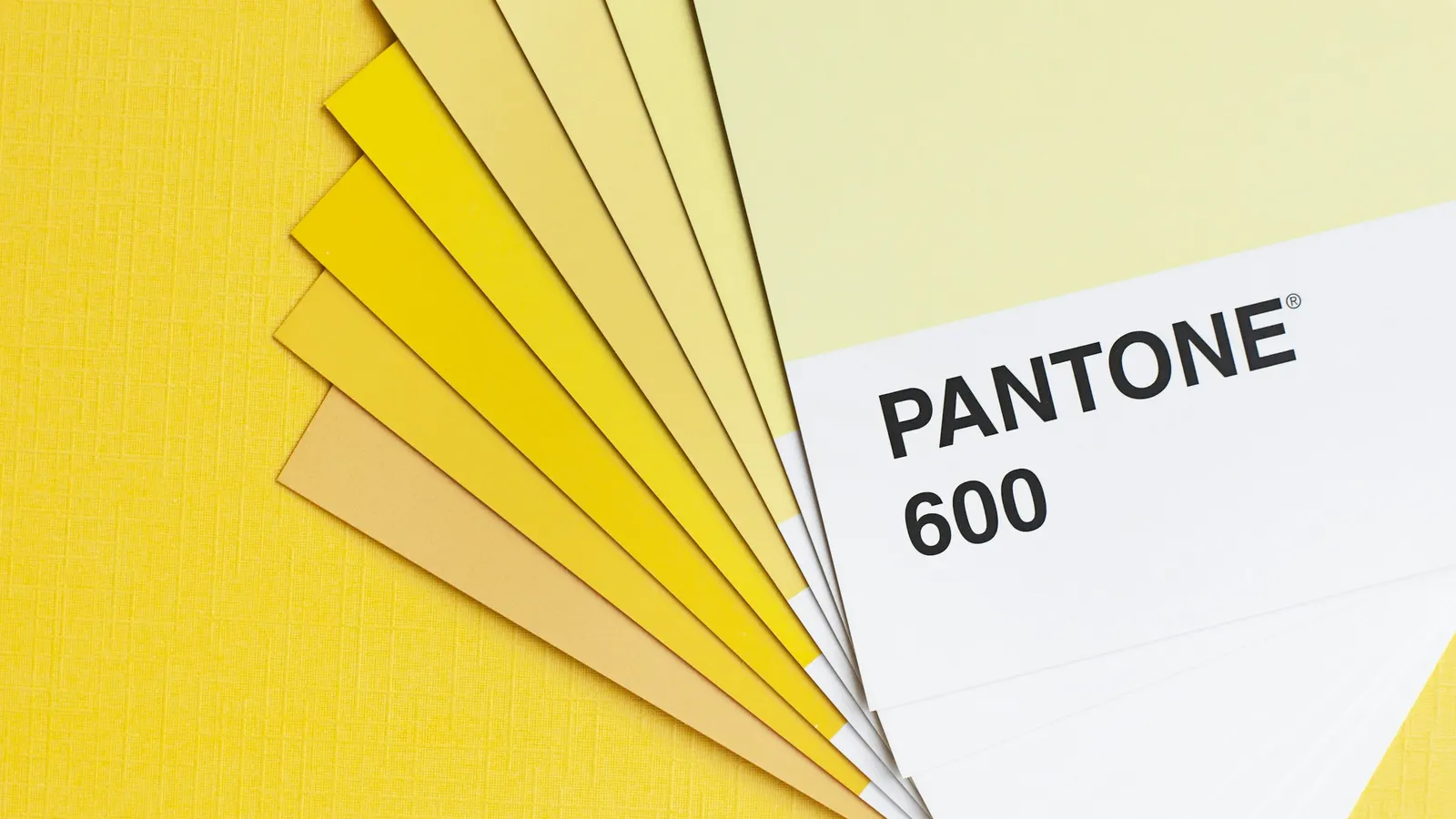
We maintain a shared token library in Figma that maps exactly to CSS custom properties in the codebase. When a designer changes a color token in Figma, that change is documented and applied to the corresponding CSS variable by developers. This removes interpretation — there's no "what hex did you use?" conversation because the design system defines the answer definitively.
Interaction Specifications That Developers Can Build From
Every interactive component in our Figma files includes: all states (default, hover, focus, disabled, error), transition timing and easing curves, responsive behaviour across breakpoints, and edge cases (empty states, loading states, error states). Our web development company India developers receive specifications they can implement directly without interpretation — reducing revision cycles and keeping projects on schedule.