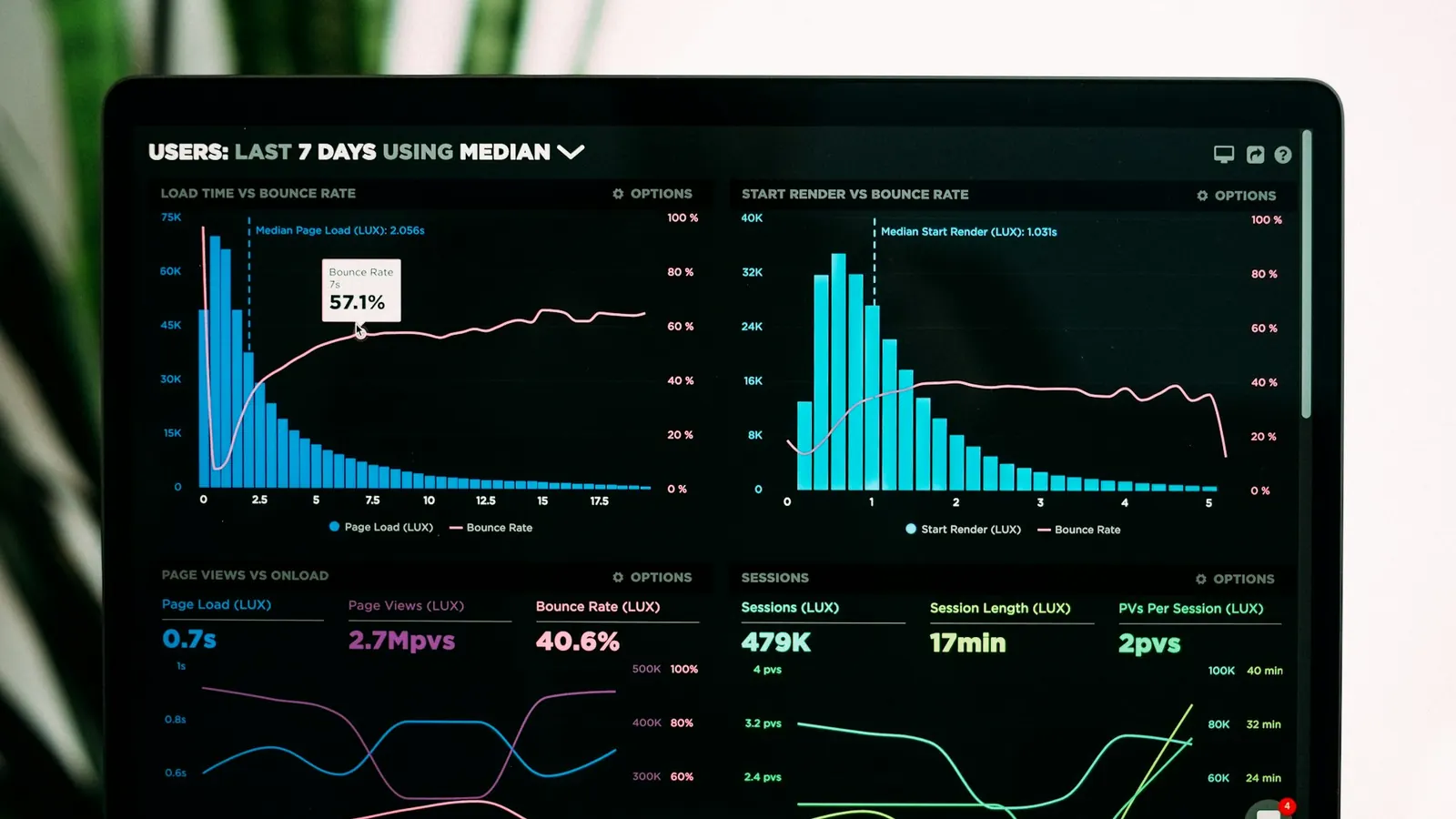
Real-time features — live chat, collaborative editing, live dashboards — create engagement loops that static websites can't match. Here's how to build them right.
The most engaging digital products of the decade — Slack, Figma, Notion, Zerodha — share a common thread: real-time user experiences that respond to events without requiring a page refresh. Building these experiences requires WebSockets, the technology that enables persistent bidirectional communication between browser and server.
When to Use WebSockets
WebSockets are the right choice for: live chat and customer support systems, collaborative document editing, real-time sports/stock price dashboards, multiplayer games, live order tracking, and push notifications. For periodic data updates (checking for new notifications every 30 seconds), long-polling or Server-Sent Events (SSE) are often simpler and sufficient — our React development company team always evaluates the lowest-complexity solution first.
Implementation at Scale
Production WebSocket applications require careful consideration of connection management, message queuing, and horizontal scaling. We implement Socket.io with Redis adapter for multi-server deployments, ensuring connections are maintained consistently across cloud instances. Our web development company India clients running real-time platforms handle thousands of concurrent connections reliably using this architecture.