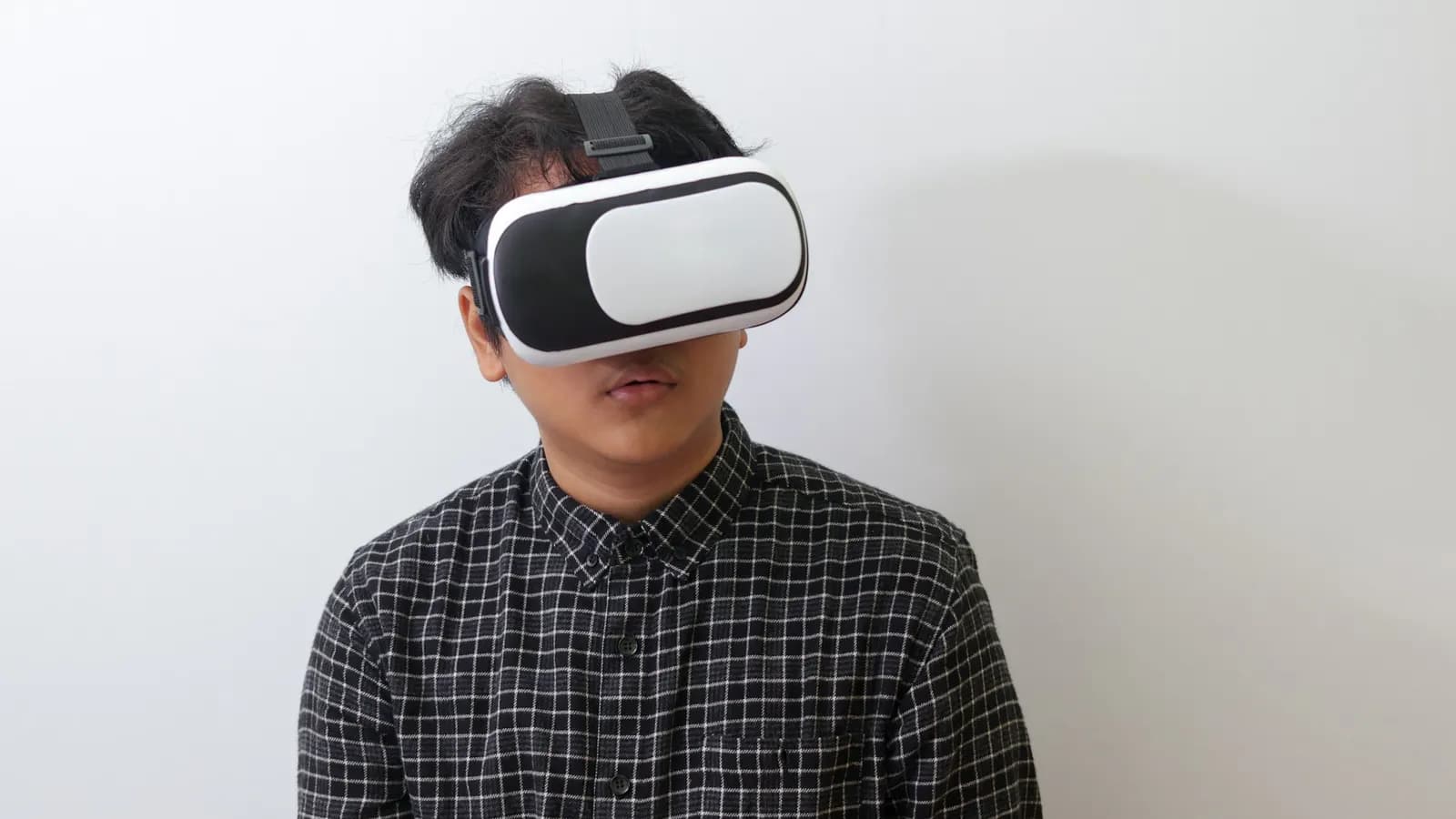
WebXR and AR.js bring augmented reality to any browser without an app install. Retail, real estate, and education are seeing dramatic engagement improvements with WebAR.
Augmented reality on the web (WebAR) has reached a commercial viability threshold in 2025 that makes it accessible for ambitious brand experiences without requiring app store downloads. Using WebXR API and libraries like AR.js, 8th Wall, and Model Viewer, our custom website development team can embed AR experiences into product pages, marketing campaigns, and educational content that run in any modern mobile browser.
The Highest-Value WebAR Use Cases
The commercial applications delivering measurable ROI: virtual try-on for fashion and eyewear (reduces returns by 25–35% by helping customers visualize fit before purchase); furniture and home décor visualization (IKEA's AR feature is the canonical example — customers who use it convert at 2.5x the rate of those who don't); and interactive brand activations for marketing campaigns where novelty drives sharing and reach.
Technical Implementation Reality
WebAR requires: a 3D model of the product (GLB format for web, typically 5–15MB for an optimized product model), the embedding library (Model Viewer for simple product view, AR.js for marker-based experiences, 8th Wall for advanced surface detection), and performance optimization for mobile. Our web development company India team delivers WebAR implementations from concept to live in 4–6 weeks for product visualization use cases — the use case with the strongest commercial case.