A practical 2026 guide to AI video ads — how to create them step by step, which tools help, and how to keep them converting for Indian businesses.
Video is the format that sells today, but shooting an ad the old way — hiring a crew, booking a studio, waiting weeks for edits — is slow and expensive. So most Indian business owners freeze. They know they need video, they just don't know how to make it without burning a lakh and a month. That is exactly the gap AI video ads close, and this guide walks you through creating them properly.
Here is the direct answer: an AI video ad is a short promotional video built with AI tools that handle scripting, voiceover, visuals, avatars, or editing — letting you produce ad-ready video in hours instead of weeks. To create one, you write a clear script around a single message, generate visuals and voice with an AI video tool, edit it to fit the platform (usually vertical and under 30 seconds), and then test it against real ads. The tools do the heavy lifting; the strategy still decides whether it sells.
What Exactly Is an AI Video Ad?
An AI video ad is any advertising video where artificial intelligence does part of the production work you would normally pay a team for. Depending on the tool, that can mean:
- Turning text into video — you type a script, the tool assembles matching stock footage, captions, and music.
- AI avatars and presenters — a realistic on-screen "spokesperson" reads your script without a real actor or shoot.
- AI voiceover — natural-sounding narration in English, Hindi, or regional languages, no recording booth needed.
- Auto-editing — cutting long footage into short, punchy clips sized for Instagram Reels, YouTube Shorts, or WhatsApp.
- Product-to-ad generation — feeding in your product images or website and getting a ready draft ad back.
The point is not that a machine replaces creativity. It is that the parts which used to cost the most time and money — footage, voice, editing, versioning — get compressed dramatically. A single AI video ad that once needed a videographer, an editor, and a voice artist can now be drafted by one person in an afternoon.
Why AI Video Ads Matter for Indian Businesses
Attention has moved to short vertical video. Reels, Shorts, and WhatsApp status are where your customers already spend their evenings. But producing enough video to keep up with those platforms is where most businesses stall — you cannot post one polished film a quarter and expect to compete.
AI changes the maths in three ways:
- Speed. You can go from idea to a testable ad the same day, so you react to festivals, offers, and trends while they are still live.
- Cost. A shoot-based ad can run into lakhs. AI tools bring the per-ad cost down to a subscription and your time, which matters when you need ten variations, not one.
- Volume for testing. Paid ads reward testing. When making the tenth variation is cheap, you can find the version that actually converts instead of betting everything on a single expensive film.
For a Noida clinic, a D2C skincare brand, or a manufacturer launching a new SKU, that combination — fast, affordable, testable — is the difference between running video ads consistently and never quite getting around to them.
How to Create AI Video Ads: A Step-by-Step Guide
Making an AI video ad that works follows a clear sequence. Skip the strategy steps and you will produce polished video that sells nothing.
Step 1: Start with one message, not one video
Before you touch a tool, answer three questions: who is this for, what one thing do you want them to feel or do, and what is the single benefit that matters most to them? An ad that tries to say five things says nothing. "Book a free consultation this week" is a message. "We are the best" is noise.
Step 2: Write a tight script
Even a 20-second ad needs a script. Use a simple structure that has worked for decades:
- Hook (first 3 seconds): a problem, a bold claim, or a question that stops the scroll.
- Value (middle): what you offer and why it beats the alternative — shown, not just stated.
- Proof: a real detail, result, or demonstration that earns belief.
- Call to action (last few seconds): exactly what to do next, once and clearly.
Keep sentences short. People watch on mute, so write for captions.
Step 3: Choose the right AI video tool
Pick a tool based on the kind of ad you need, not the flashiest demo. A good AI video ad maker should let you control the script, offer natural Indian-accented or Hindi voiceover if your audience needs it, export vertical formats, and add captions automatically. If you would rather skip tool-shopping altogether, our video editing services team handles scripting, generation and the edit for you.
Step 4: Generate visuals and voice
Feed the tool your script. Choose an avatar or stock-footage style that fits your brand, generate the voiceover in the right language, and let it draft the video. Treat this first output as a rough cut, never the final.
Step 5: Edit for the platform
This is where amateur AI ads give themselves away. Fix these every time:
- Format: vertical (9:16) for Reels, Shorts, and Status; square or vertical for feed.
- Length: most short-form ads perform best under 30 seconds; the hook must land in 3.
- Captions: always on, well-timed, easy to read on a small screen.
- Branding: your logo, colours, and a consistent look so the ad matches your other content.
- Music and pace: trim dead air; cut on the beat.
Step 6: Launch, measure, and iterate
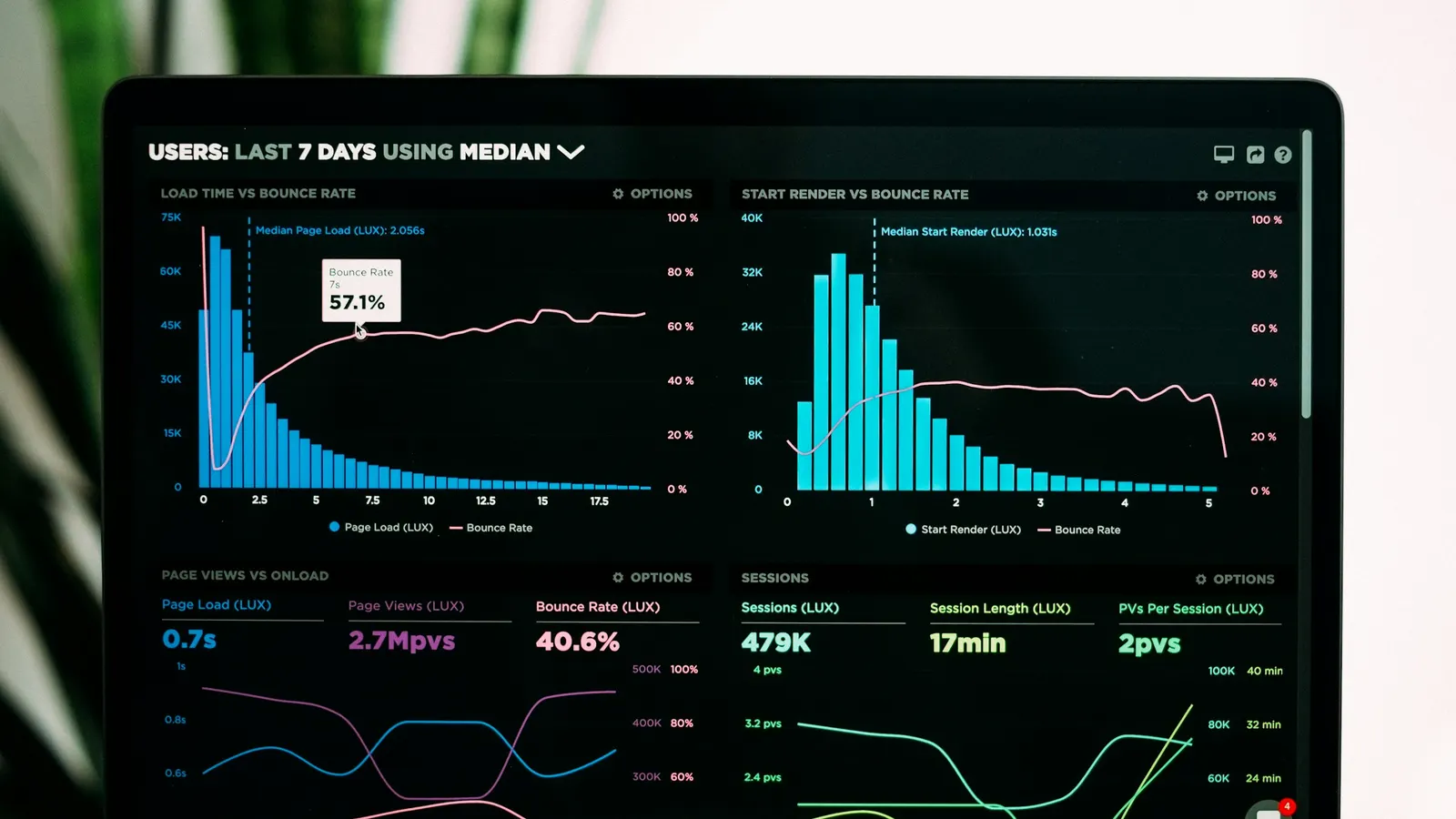
An ad is a hypothesis until data proves it. Run it, then watch the numbers that matter — hook rate (did people watch past 3 seconds), watch-through, click-through, and finally cost per lead or sale. Make new variations of what worked. Because AI makes each version cheap, you can afford to keep testing until the cost per customer makes sense.
AI Video Ads vs. Traditional Video Production
AI does not replace every kind of video — it replaces the right ones. Here is how to decide.
| Factor | AI video ads | Traditional shoot |
|---|---|---|
| Speed | Hours to a day | Days to weeks |
| Cost per ad | Low — tool + your time | High — crew, studio, editing |
| Best for | Testing, volume, social ads, quick offers | Flagship brand films, emotive storytelling, real people |
| Variations | Cheap and fast | Expensive to reshoot |
| Human authenticity | Improving, but can feel generic | Highest |
The smart approach is to use both. Run AI video ads for the constant stream of social and performance advertising where speed and testing win, and reserve a proper shoot for the one or two hero pieces where a real face and place genuinely matter. For selling a specific item, this often pairs well with a dedicated product video that shows the thing in real use.
Common Mistakes to Avoid
- Generic stock everything. If your ad looks like every other AI ad, it disappears. Add your own product shots, logo, and voice.
- No hook. A slow open kills short-form video. Earn the first 3 seconds or lose the rest.
- Weak or missing captions. Most feed video is watched on mute. No captions, no message.
- One ad, no testing. The power of AI is volume. Making a single ad and stopping wastes the biggest advantage.
- Forgetting the destination. A great ad pointing to a slow or confusing landing page loses the customer at the finish line. The click is only half the job.
That last point matters more than people expect. The ad earns attention; where it sends people decides whether attention becomes a sale — which is why your video, your ads, and your website should be planned together, not in separate silos.
People Also Ask
What are AI video ads?
AI video ads are short promotional videos created using artificial intelligence tools that handle tasks like scripting, voiceover, visuals, avatars, or editing. They let a business produce ad-ready video in hours instead of weeks, at a fraction of the cost of a traditional shoot — which makes them ideal for social platforms and paid campaigns that reward frequent testing.
Are AI video ads effective?
Yes, when the strategy is right. The AI handles production, but a clear message, a strong 3-second hook, captions, and a defined call to action still decide performance. AI video ads are especially effective for running many variations cheaply so you can find and scale the version that converts, rather than betting everything on one expensive film.
How much do AI video ads cost to make?
Far less than a traditional shoot. Most costs come down to an AI video tool subscription plus your time, instead of a crew, studio, editor, and voice artist. This is why AI video ads suit high-volume testing — making the tenth variation costs almost nothing compared with reshooting a live-action ad.
Can I make AI video ads in Hindi or regional languages?
Yes. Many AI video tools now offer natural-sounding voiceover in Hindi and several Indian languages, plus auto-captions. For local businesses, an ad in the language your customers actually speak usually outperforms a polished English one, so language support is worth prioritising when choosing a tool.
Do AI video ads replace a videographer?
Not entirely. AI video ads are excellent for the constant stream of social and performance ads where speed, cost, and testing matter most. A real shoot still wins for flagship brand films and emotive storytelling with genuine people and places. The best approach uses AI for volume and a human crew for the one or two hero pieces.
AI video ads are the fastest way for an Indian business to advertise consistently with video without a studio budget — but the tool is only ever half of it; the message and the destination decide whether it sells. At Scult, we build AI video ads alongside the ads and landing pages they point to, so the idea stays intact from the first frame to the enquiry. If you'd like to talk it through, book a meeting, or explore more of our thinking on the blog.